Why wooden boards?
Wooden boards have been ridden for thousands of years. Long before foam and fibreglass, surfers shaped timbers into craft that connected them to the ocean in a way that is respectful to nature.
The Drop makes boards from sustainably sourced paulownia — one of the lightest, most buoyant timbers in the world. Each board is shaped, sanded and finished by hand in Inverloch, Victoria. No two are identical.
Riding a wooden board is a different experience. They're lively, have flex and sensitive to the wave's energy - when riding you feel the energy and become a part of the wave. With basic care they are built to last generations, not just seasons.
The Drop / Alternative Surf Shop
How to ride
Shorey / Your first rides
A simple way to start: sandy-bottom shallows, rolling whitewater and a well-timed push towards shore.
Before you go: wax the deck where your body and hands need grip. Fins (swim/bodyboarding fins) are not needed for these standing launches. Use them for the deeper-water progression in the Glider + Carver section.
The Drop / Alternative Surf Shop — Shorey / Your first rides
Find your wave & get ready
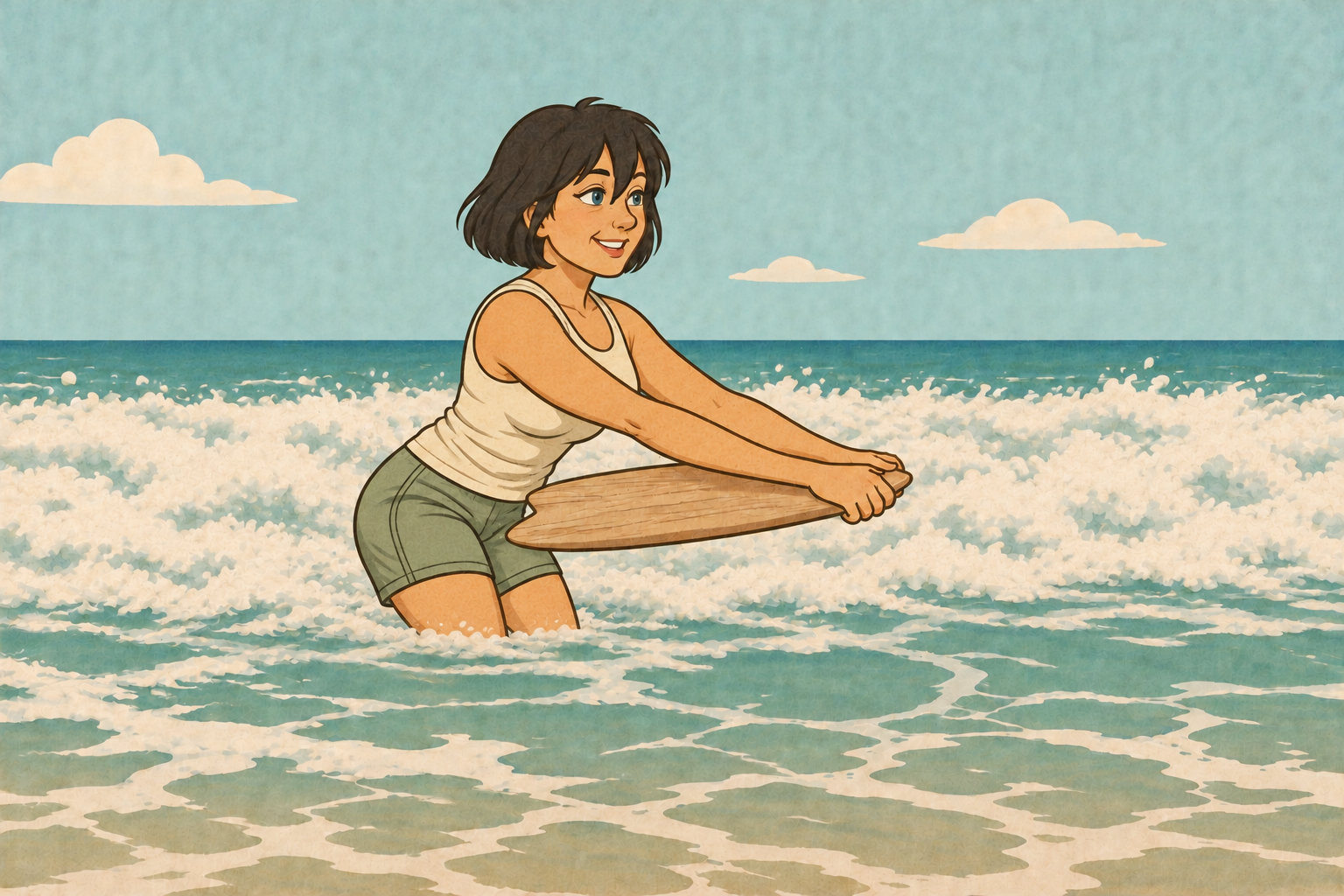
Stand around thigh depth with secure footing, facing shore. Rest the tail against your hips and reach towards the nose with straight arms. Hinge forward slightly if needed. Look back and choose recently broken whitewater that still has enough push to carry you shoreward.
The Drop / Alternative Surf Shop — Shorey / Your first rides
Push forwards with the wave
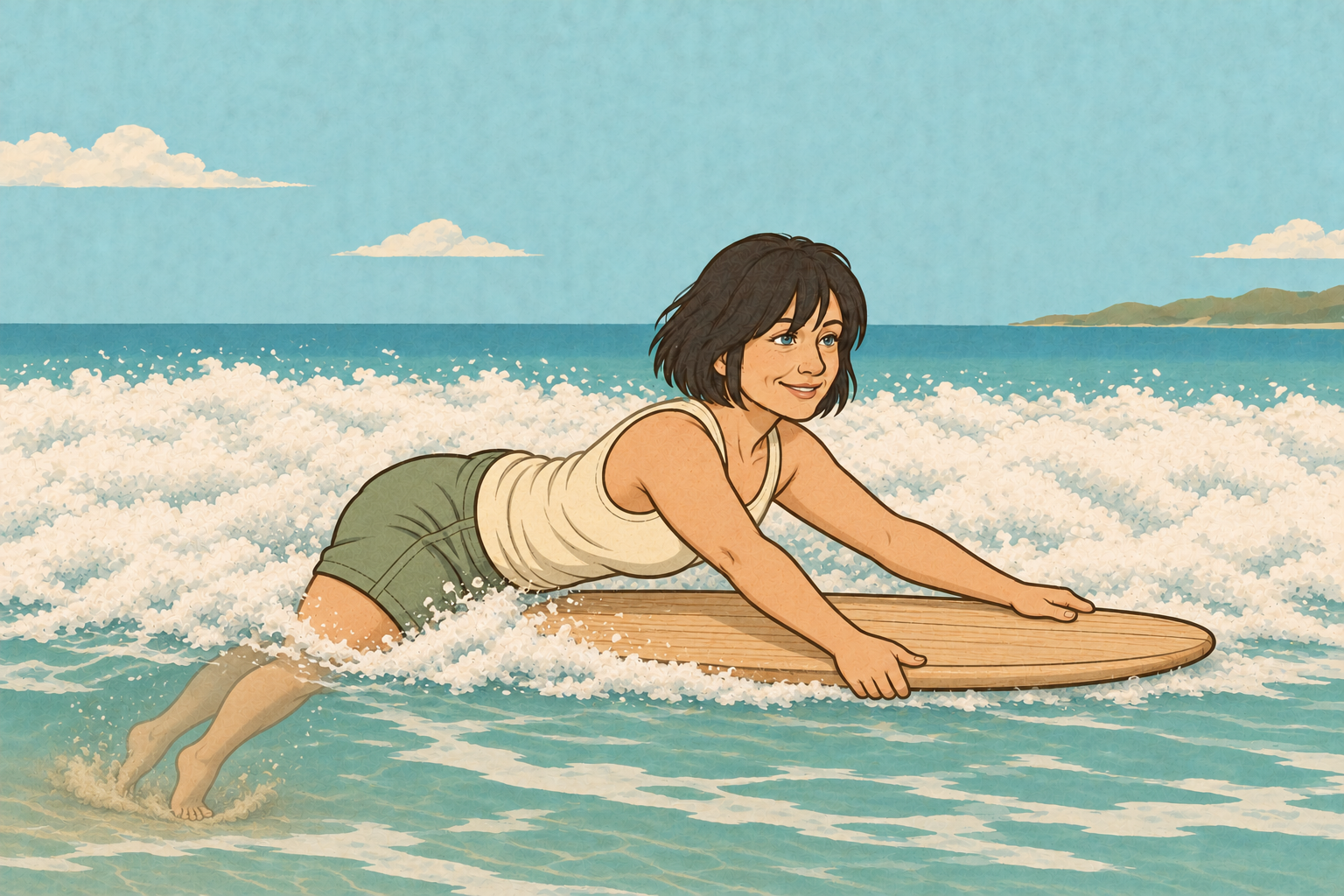
Just before the white water reaches you, spring forwards from the bottom and hold the board out straight in the water in front of you. Aim to meet the shorebreak already moving towards the beach. Move forwards rather than jumping down onto the board. Timing takes practice, so adjust a little on each attempt.
The Drop / Alternative Surf Shop — Shorey / Your first rides
Settle in & ride
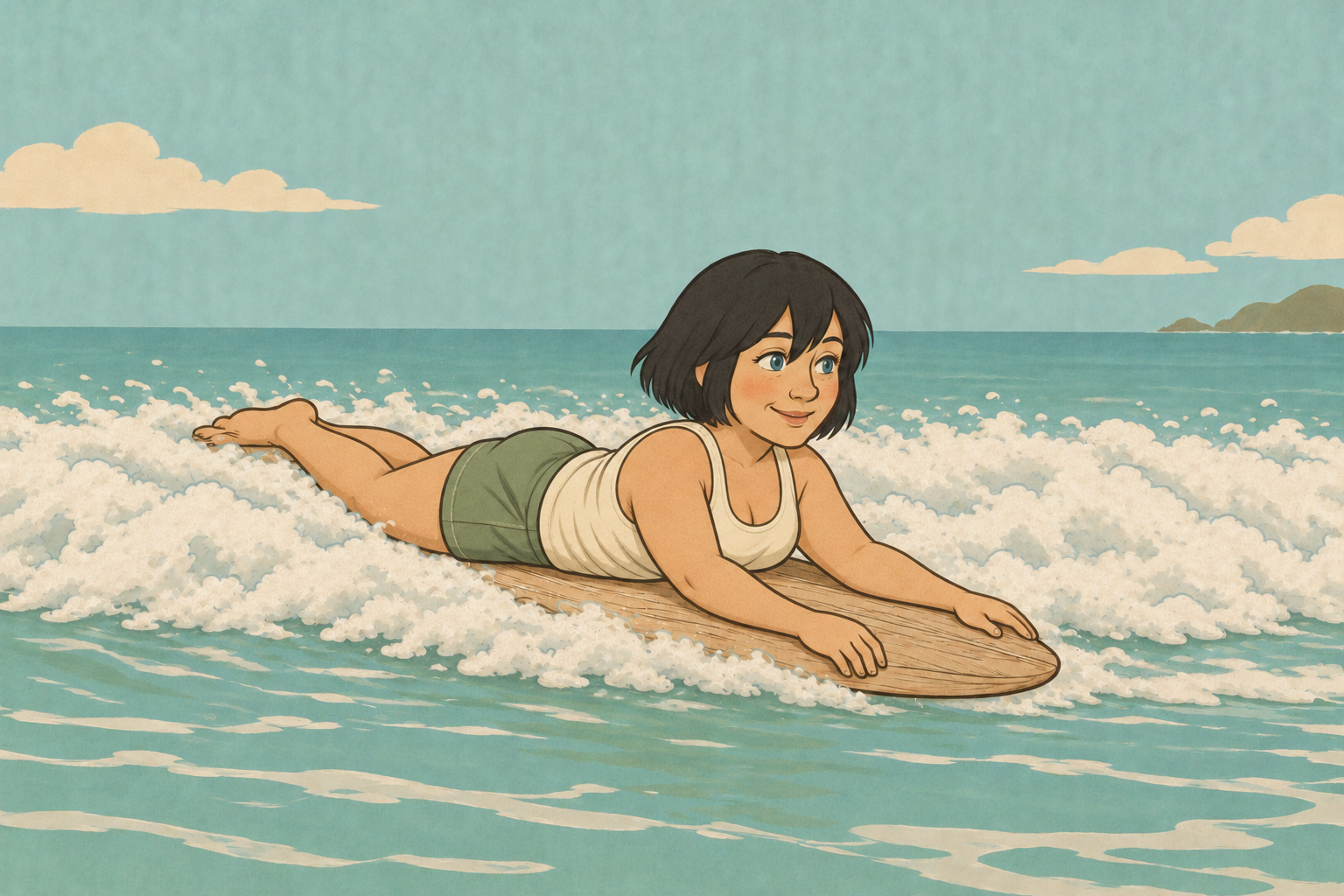
Keep your hands near the nose and your arms reaching ahead. Your chest and belly sit over the rear portion of the board, with legs trailing behind. Leave the nose in front of you. Start with straight rides, then use gentle arm and upper-body movements to steer.
The Drop / Alternative Surf Shop
Guide to Ride
Glider + Carver / Green waves
A green wave is an unbroken wave. Choose one that peels gradually, leaving a clear, open face to ride.
Your setup: use short (swim/bodyboarding) fins/flippers for deeper-water sessions. Keep the board reaching ahead, hands near the nose and torso supported farther back. Adjust your position to suit your board and body.
The Drop / Alternative Surf Shop — Glider + Carver / Green waves
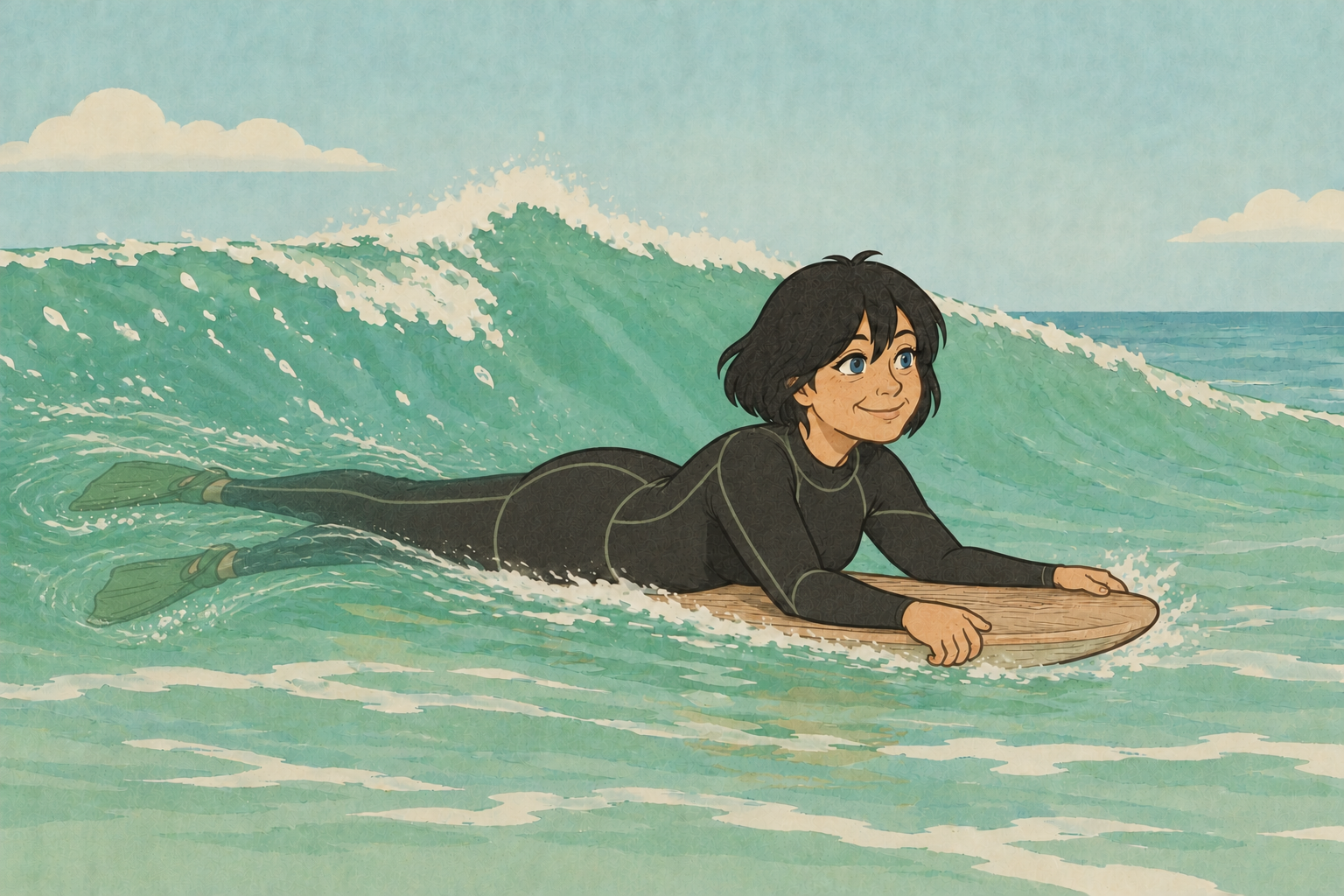
Choose your wave & build speed
Pick a peeling wave with room to ride, clear of other surfers. Turn shoreward and straighten your body like it's an extension of the board. Kick to build speed as the wave steepens behind you. An arm stroke can help if needed. Keep the board running ahead and settle your weight as the wave carries you.
The Drop / Alternative Surf Shop — Glider + Carver / Green waves
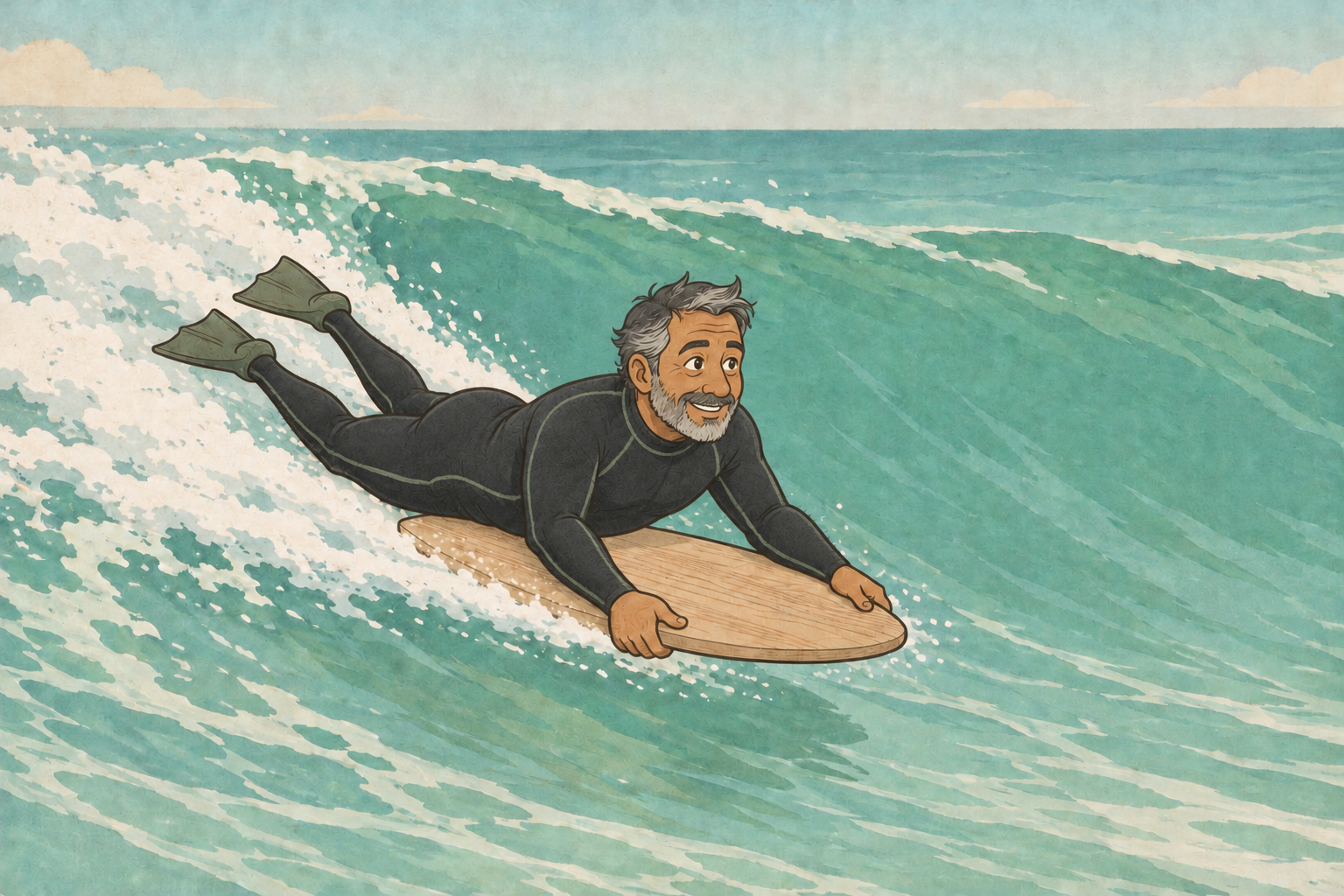
Aim for the open shoulder
As the wave lifts the tail, angle slightly towards the clear, unbroken face beside the breaking section. Keep enough shoreward direction to catch the wave: turning too far across it too early can leave you behind. Look along the face and never drop in on someone already riding.
The Drop / Alternative Surf Shop — Glider + Carver / Green waves
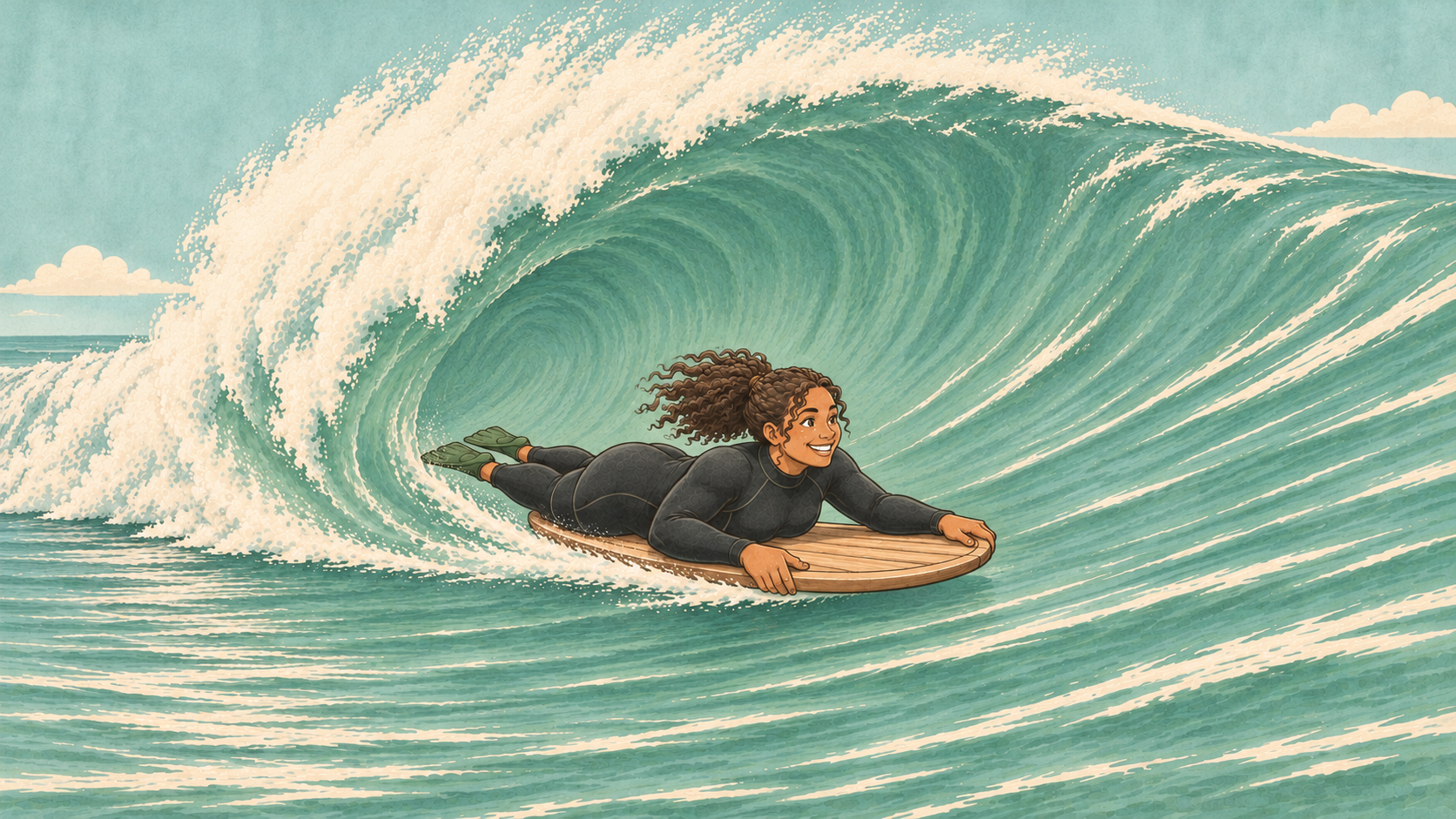
Find your line & turn
Once the wave carries you, ease off kicking and guide the nose with smooth arm and body pressure. Look where you want to go. To turn, lean gently onto the inside rail through your forearm and body, then ease the pressure as you reach your new line.
Glider: establish a smooth, steady line and use small weight shifts to trim.
Carver: begin with broad, controlled arcs before trying tighter turns.
Finish: use a clear shoulder to exit and end your ride before shallow water.
The quiver progression
Most riders start with The Shorey and work their way through the quiver as their skills and curiosity grow. There's no rush — each board is a complete experience in itself.
Start here
The Shorey
More volume
The Shorey Excel
Add drive
The Carver
Find your trim
The Glider
The deep end
The Alaia
Ready to order?
Call or email to start the conversation. We'll help you find the right shape for your surfing.